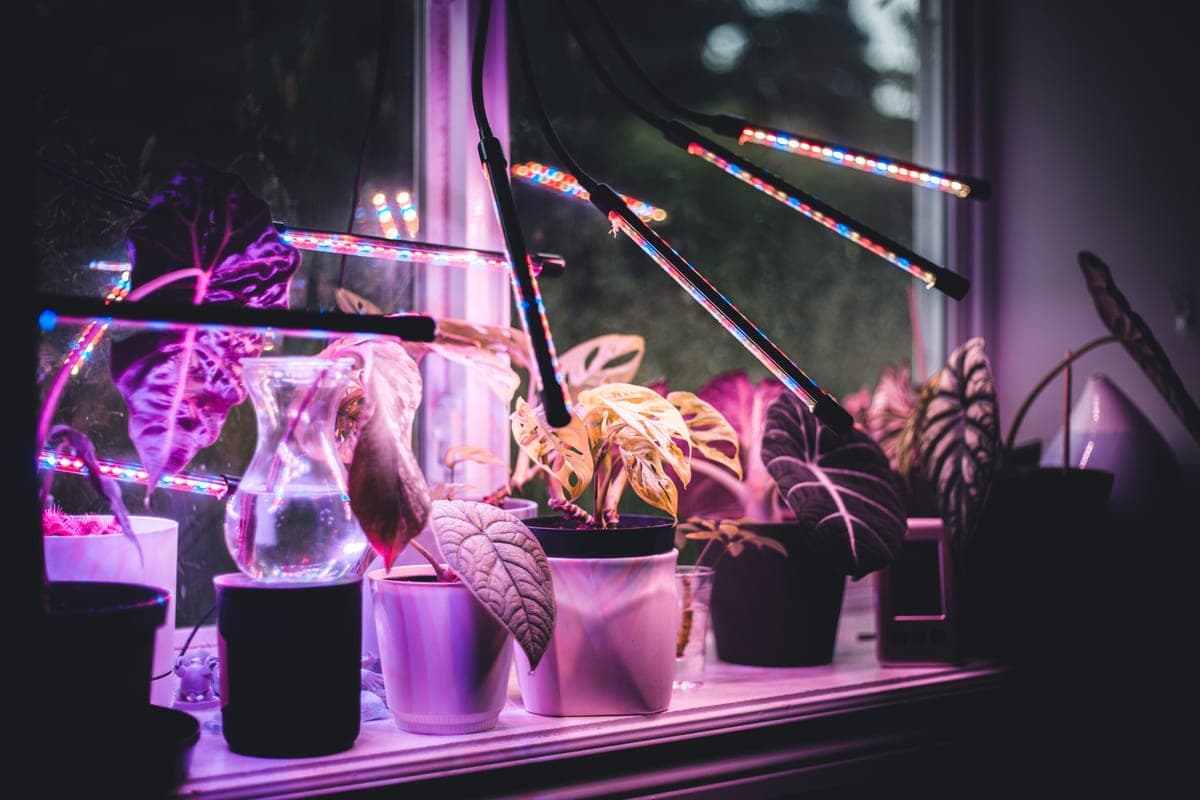
Spectrum and PPFD, Honestly
Full spectrum is a marketing phrase with no standard behind it. These pages replace it with the three figures that actually decide whether a plant grows.
Trusted picks, because every one is chosen from published specs and arithmetic you can check — and because we say so plainly when we have not tested something.
Spectrum truth, coverage math, running cost. The three numbers the rest of this category leaves out.
The publishers who rank for these searches tell you a light is “full spectrum” and stop. The sites that do the math sell the fixtures. These three sections are the gap.
Full spectrum is a marketing phrase with no standard behind it. These pages replace it with the three figures that actually decide whether a plant grows.
One division sizes a grow light: photons per second, divided by the area you are lighting. Everything else on this page is that sum, applied.
A grow light costs less to run than almost anyone expects, and the exact figure takes one line of arithmetic. Here it is, with your own tariff.
Two situations cover nearly everyone who lands on this site. Pick the one that describes your shelf.
Situation
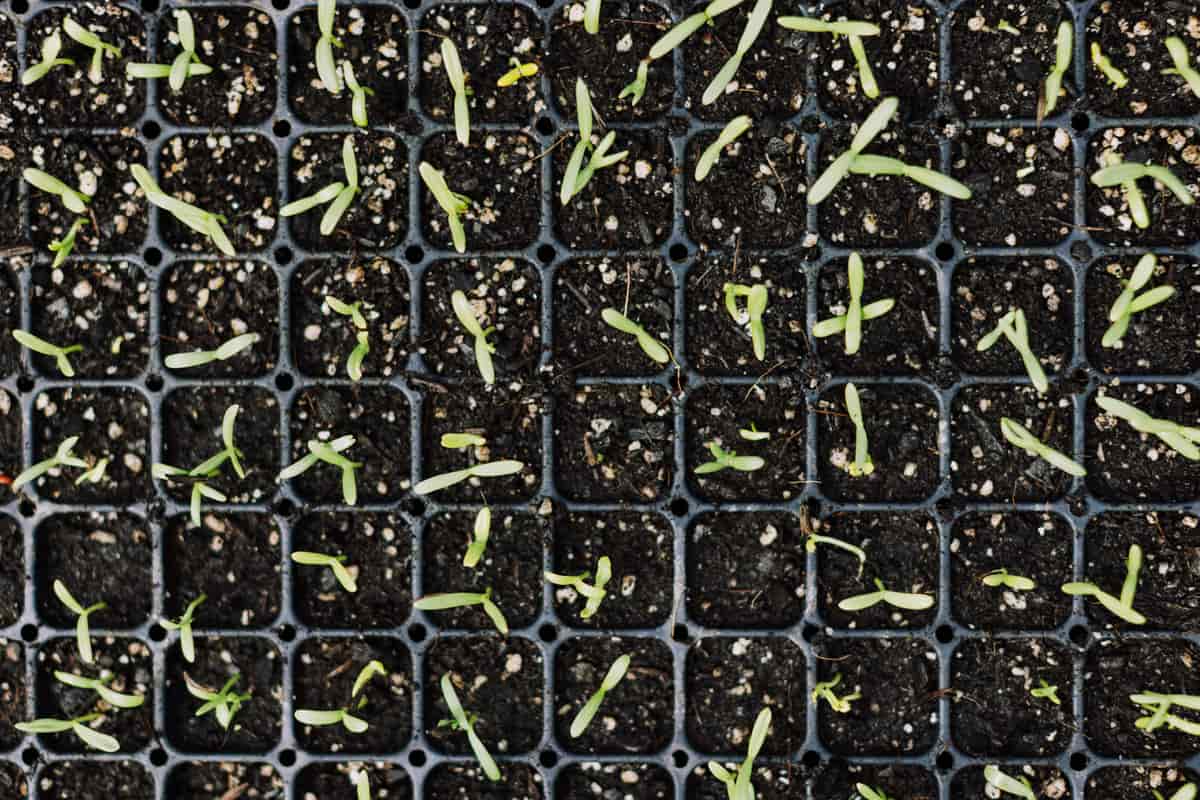
Seedlings are the one situation where getting light wrong is instantly visible. Here is the target, the distance, the hours, and the shortlist.
Situation
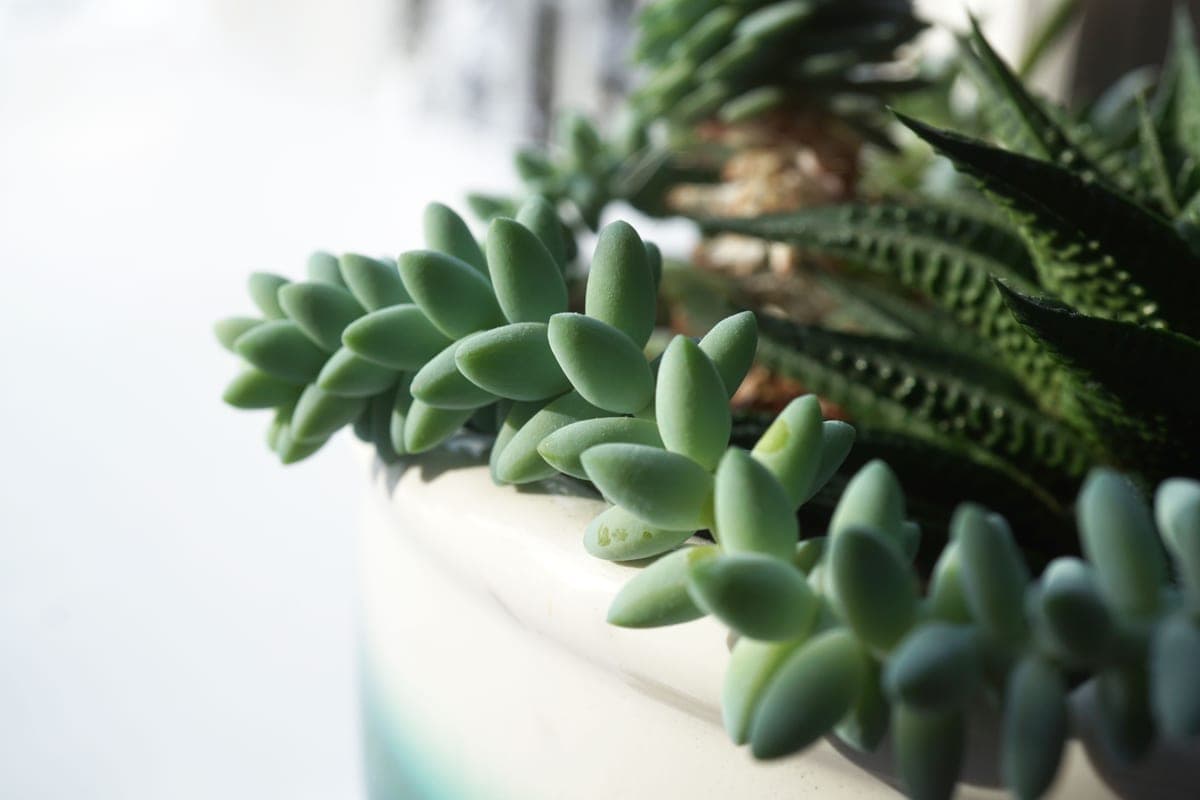
A north window in January delivers a fraction of what it delivers in June. This is how much light your plants are actually short by, and what closes the gap.
Each card names its top pick and links straight out to it. Prices read “check price” because they come from a live data layer rather than from a figure typed into this page months ago — we do not publish a number we cannot verify at the moment you load it.
Seed Starting
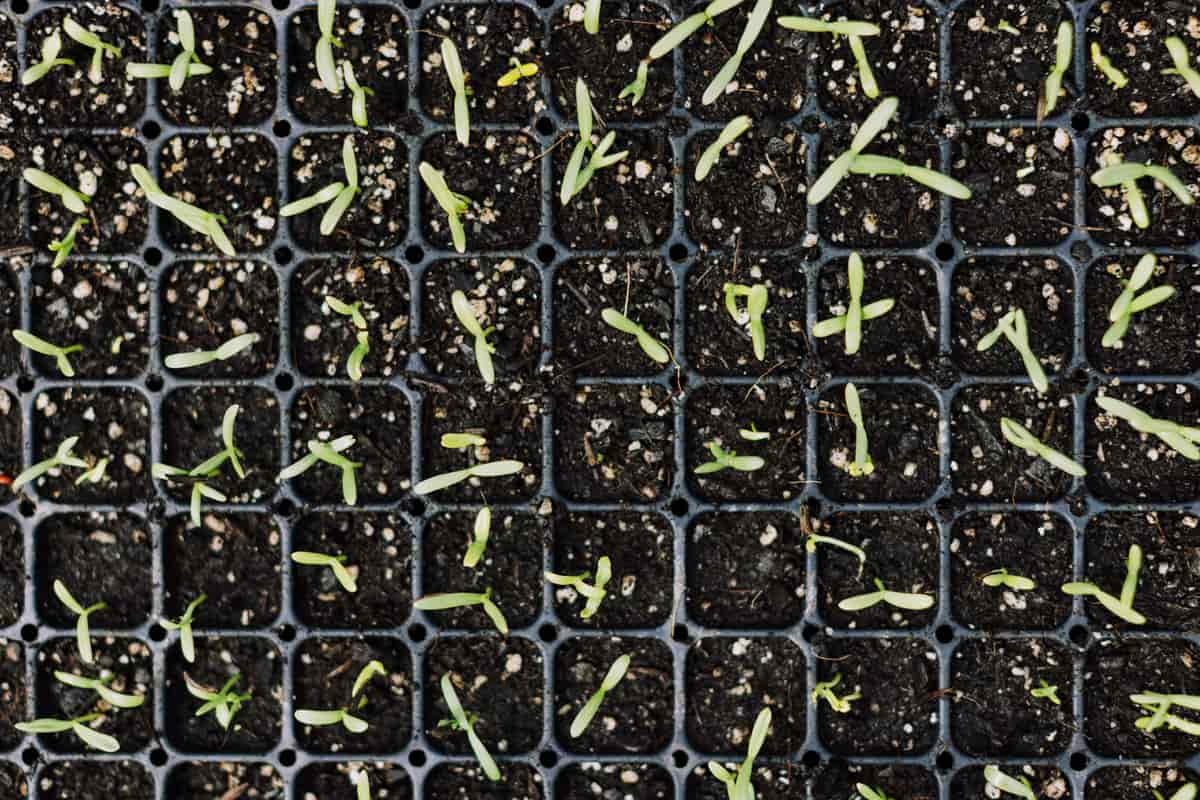
Sized against a 12 mol/m2/day seedling target using published photon output, not marketing claims.
Seed Starting
Cheap to buy and cheap to run are different things. We separate them with efficacy figures and an eight-week cost.
Houseplants
Sized to a 3-10 mol/m2/day houseplant target rather than a grow-tent target, with running cost for each.
Houseplants
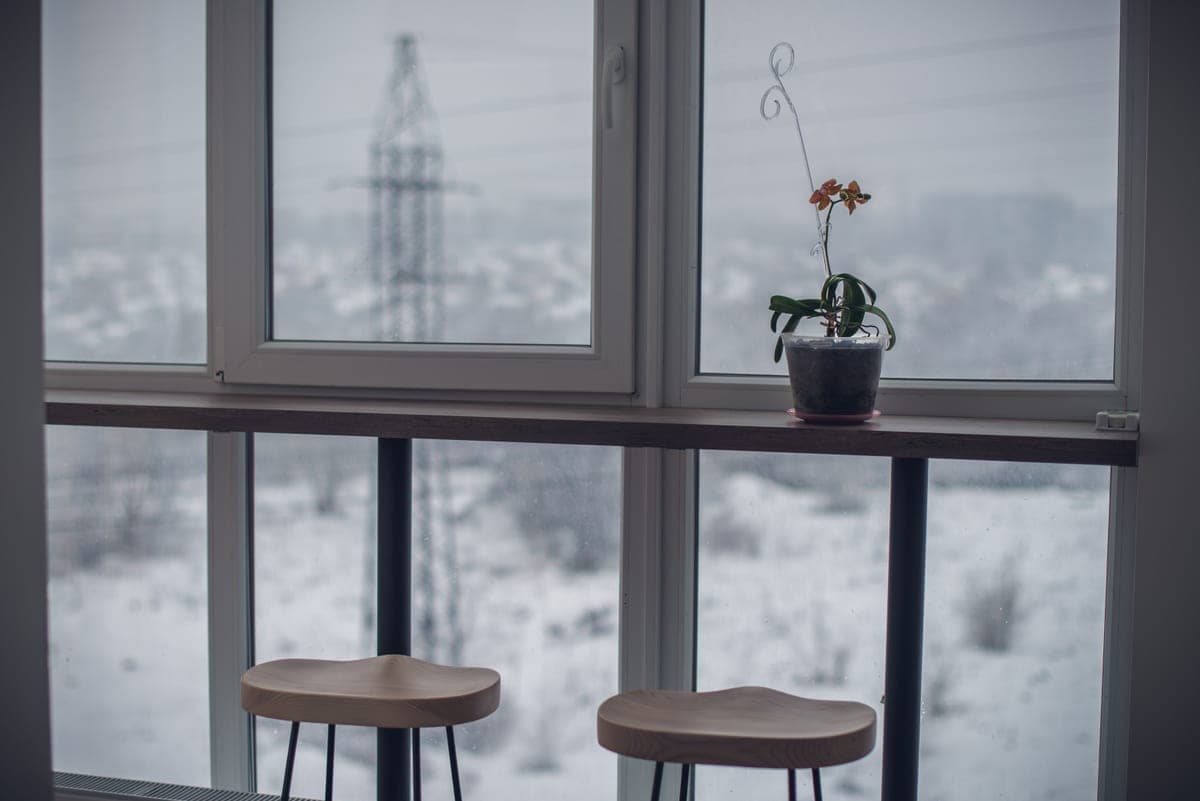
Winter is a daily-total problem. Modest fixture, long photoperiod — sized against published targets and costed for the season.
Houseplants
Height, not brightness, is the constraint on a big plant. Published PPFD-at-distance figures are what decide it.
Spectrum & PPFD
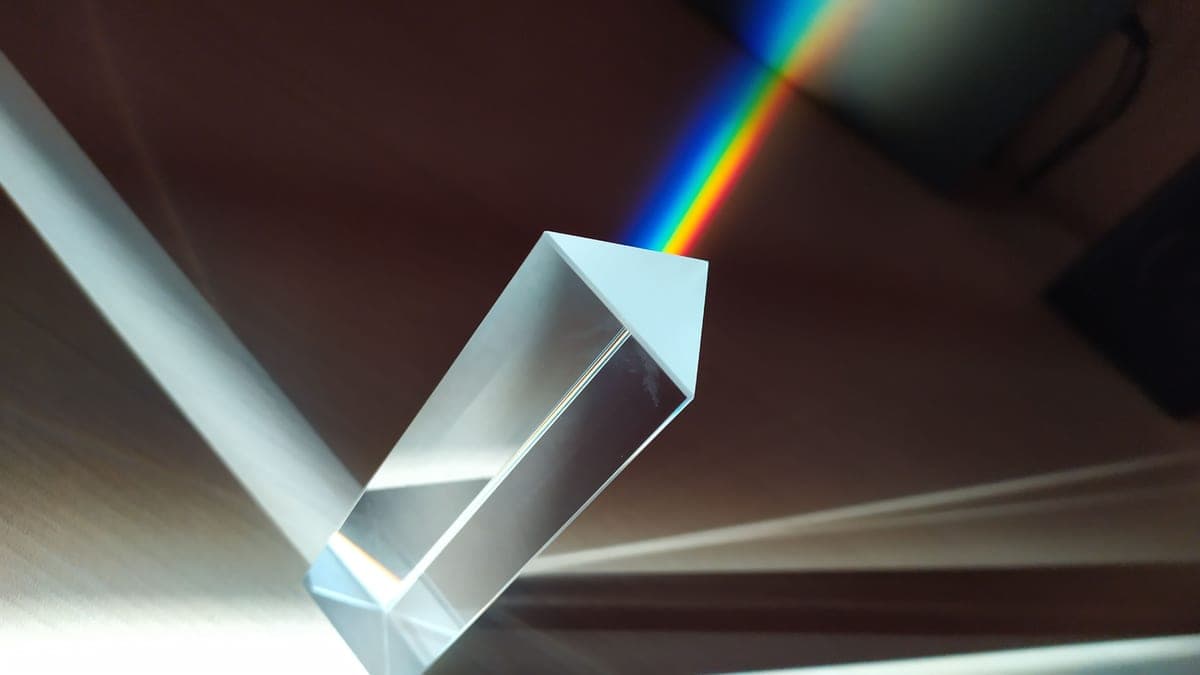
Five fixtures ranked on published photon output and efficacy, because the words on the box are identical.
Sizing and running cost are one session, so the two calculators link to each other. Both publish their formula and a worked example underneath.

Calculator
Photon output divided by your area, converted to PPFD and DLI, with the working shown.

Calculator
Watts, hours and your own tariff, turned into a monthly and a whole-season figure.
Recently published and recently revised.
Everyone in this category says they tested twenty lights. We haven’t tested any, and we say so.
What we do instead: compile published manufacturer specs, compute coverage from photon output and area, and compute running cost from wattage, photoperiod and your own electricity rate — with the arithmetic shown and the sources named. Where a manufacturer publishes nothing, we report the absence rather than filling it with an estimate. Three of the nine fixtures we cover publish no photon data at all, and two of those are best-sellers.
Three of the nine fixtures on this site publish neither PPF, PPFD nor efficacy. We name which, on every page they appear on.
Six hubs. Two about your situation, three about the method, one library of fixture write-ups.
Situation
Seedlings are the one situation where getting light wrong is instantly visible. Here is the target, the distance, the hours, and the shortlist.
Situation
A north window in January delivers a fraction of what it delivers in June. This is how much light your plants are actually short by, and what closes the gap.
The method
Full spectrum is a marketing phrase with no standard behind it. These pages replace it with the three figures that actually decide whether a plant grows.
The method
One division sizes a grow light: photons per second, divided by the area you are lighting. Everything else on this page is that sum, applied.
The method
A grow light costs less to run than almost anyone expects, and the exact figure takes one line of arithmetic. Here it is, with your own tariff.
Library
We have not tested any of these units. What we have done is read every published spec sheet, divide the figures against each other, and report what the manufacturer left out.